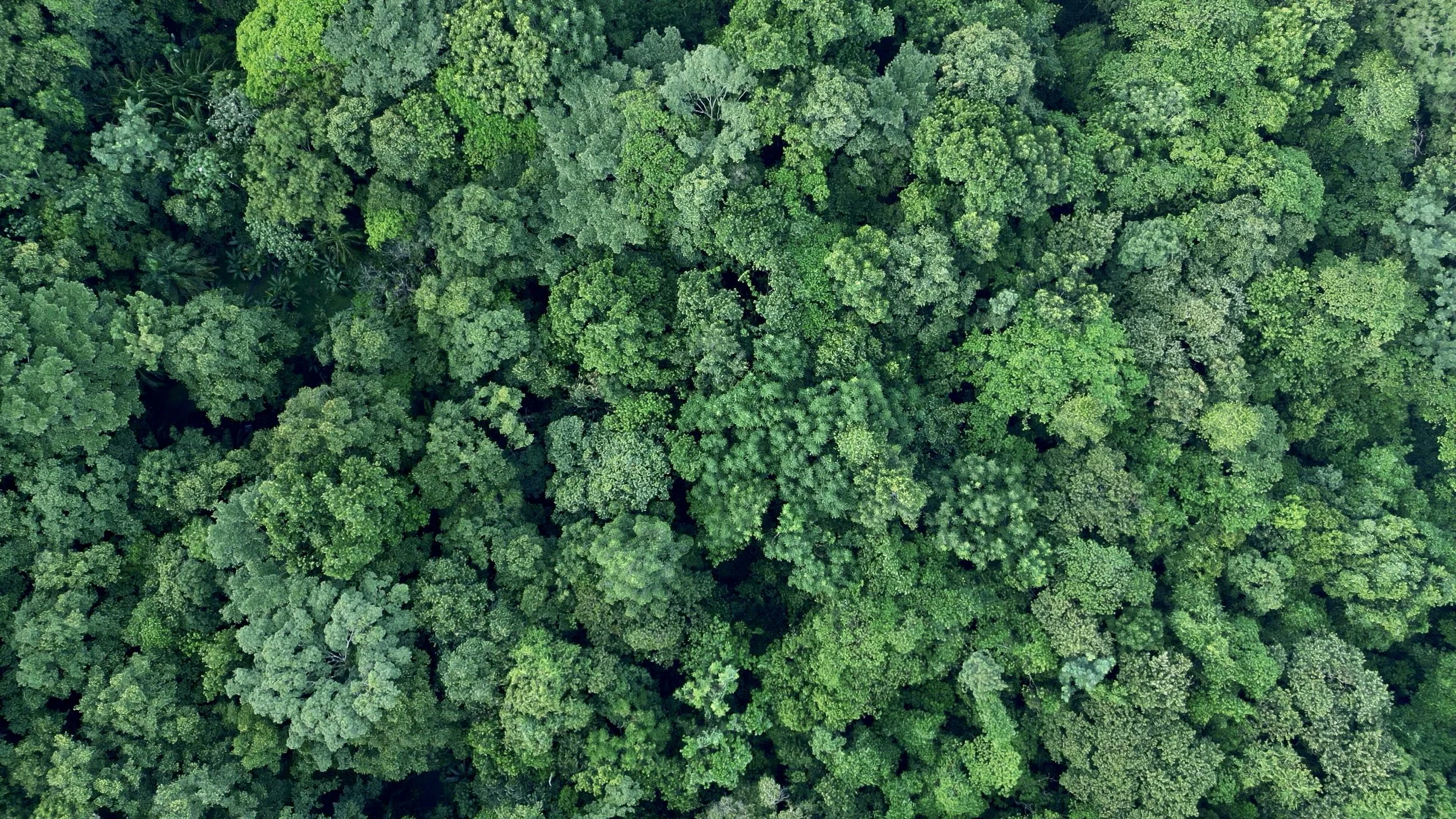
Rainforest Trails at Golfo Dulce Retreat
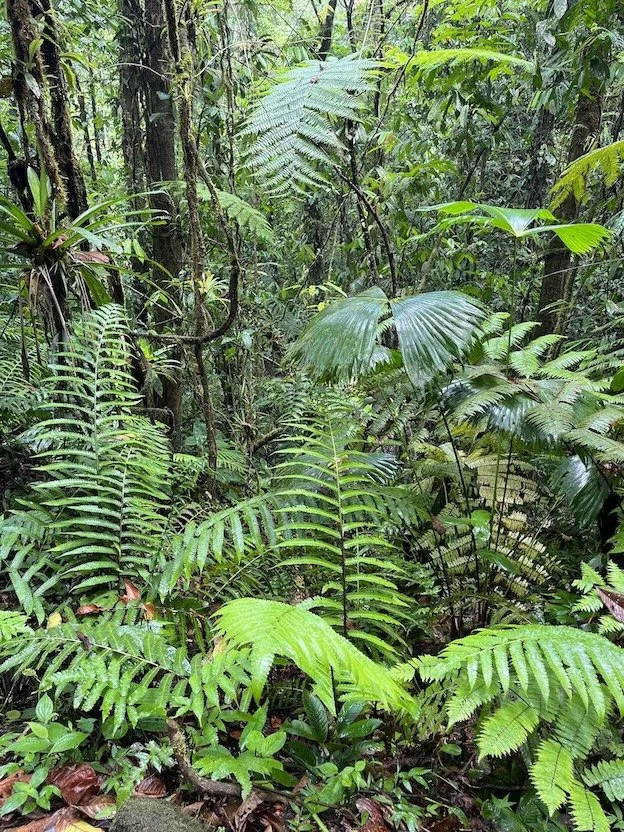
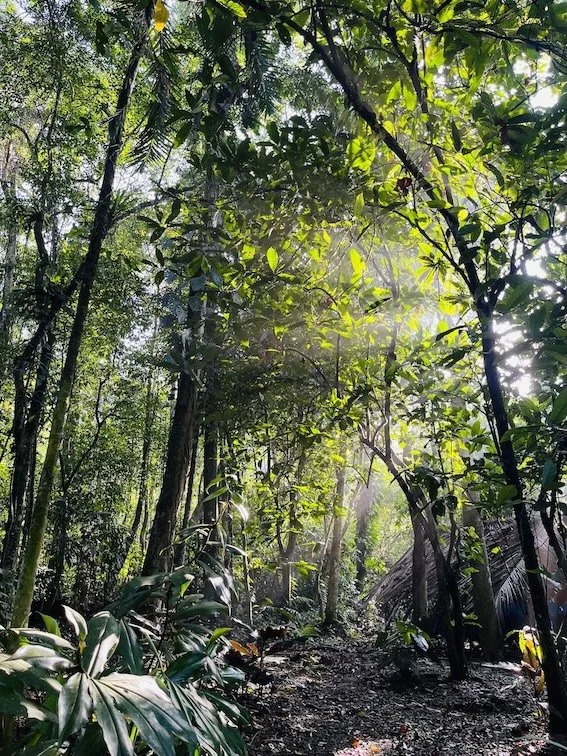
Golfo Dulce Retreat’s private rainforest reserve extends both within and beyond Piedras Blancas National Park. Our network of private self-guided trails borders the National Park, leading from the areas surrounding the Retreat into primary rainforest. Each trail reveals a different aspect of this extraordinarily diverse tropical ecosystem.
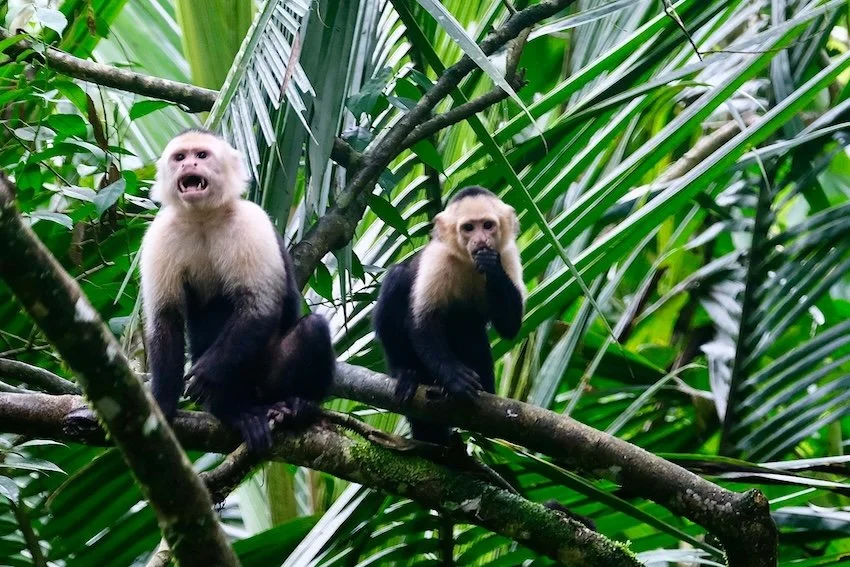
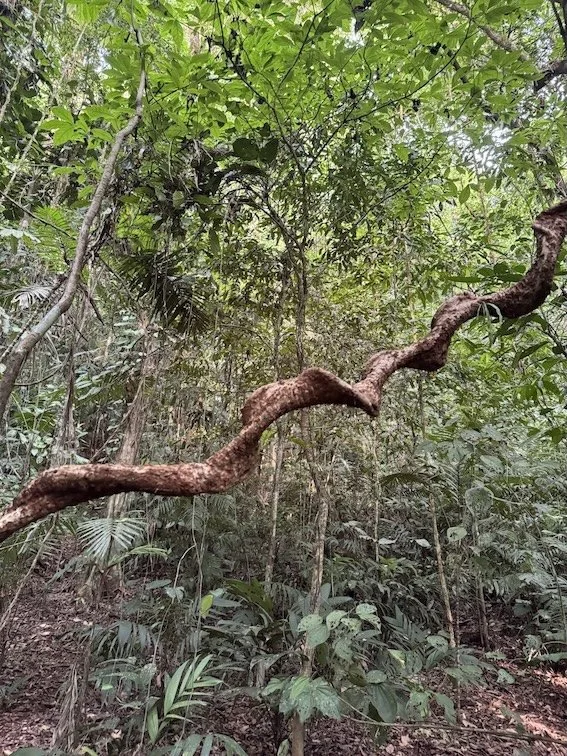
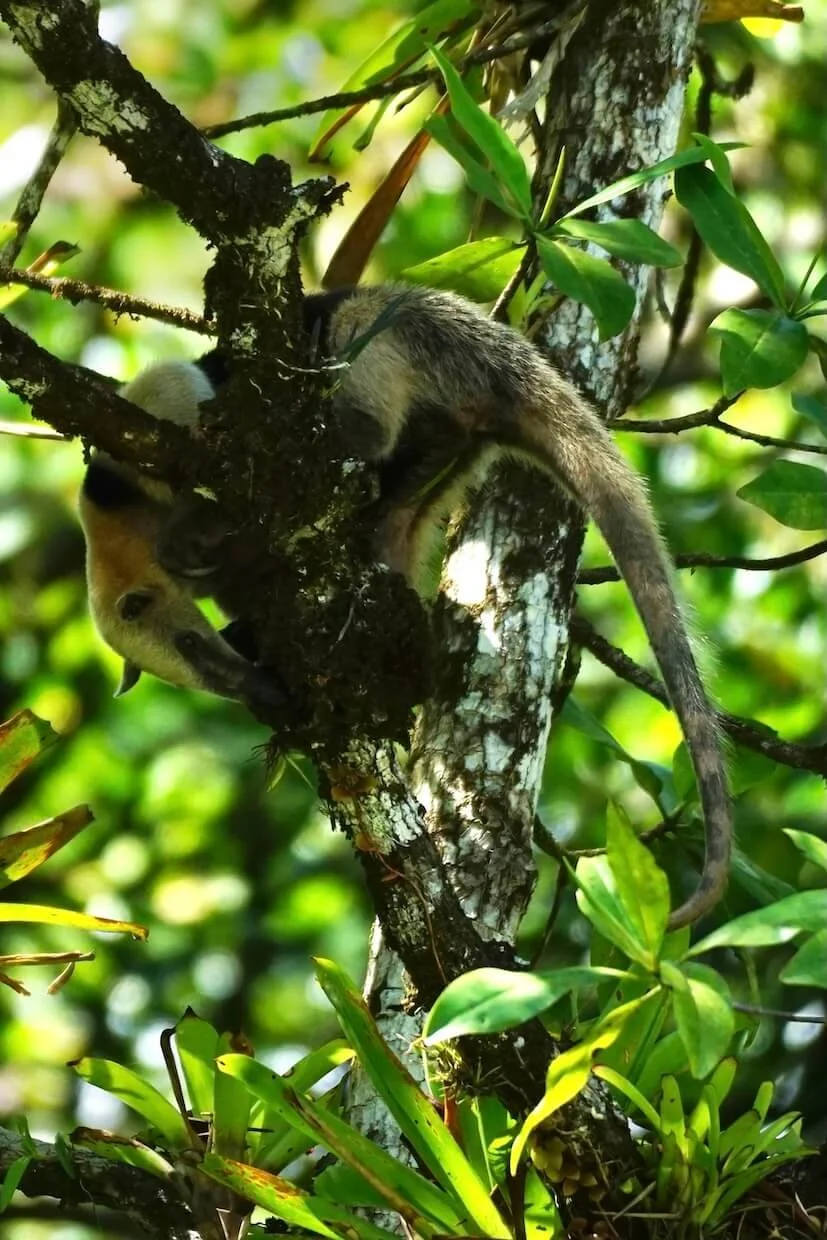
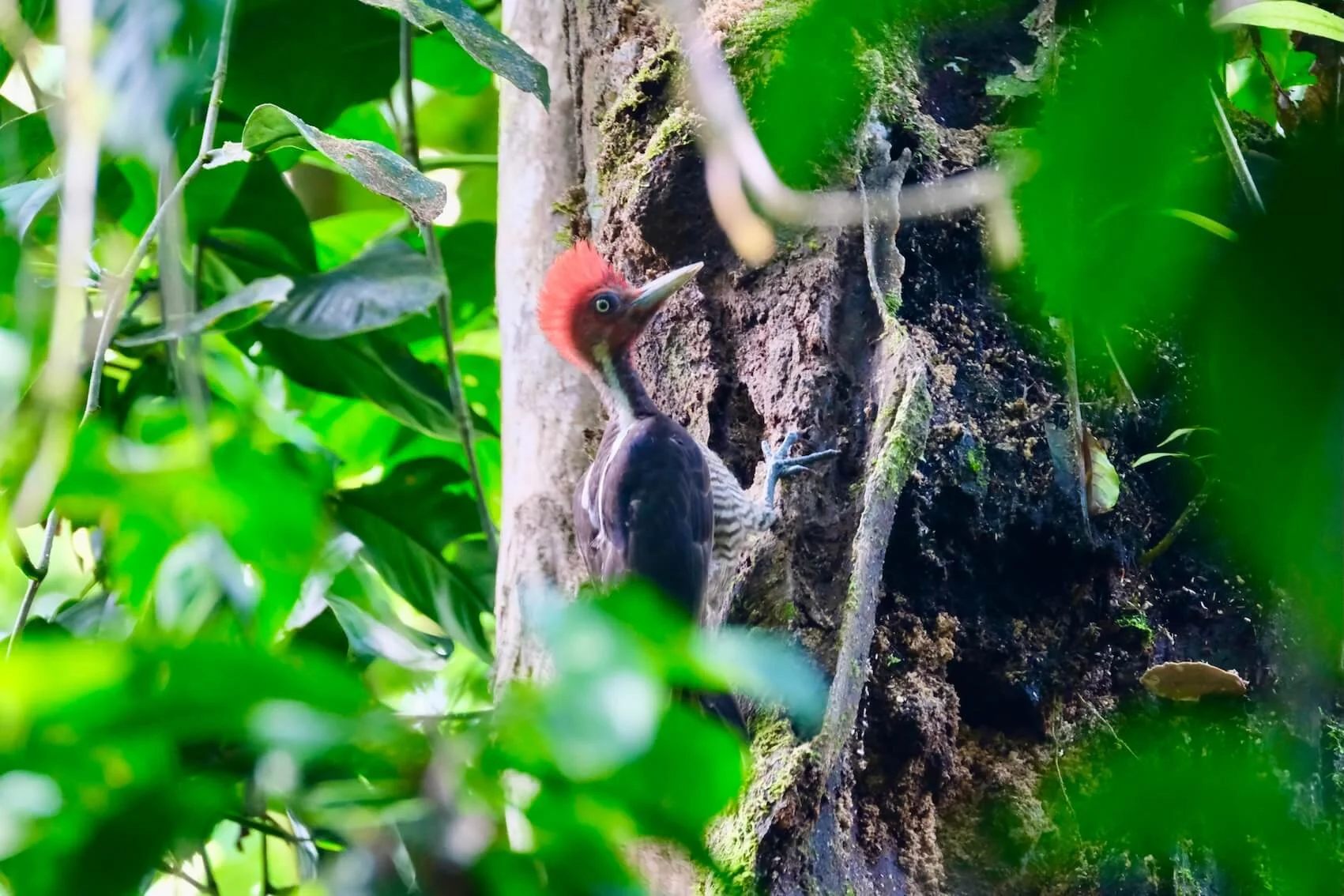
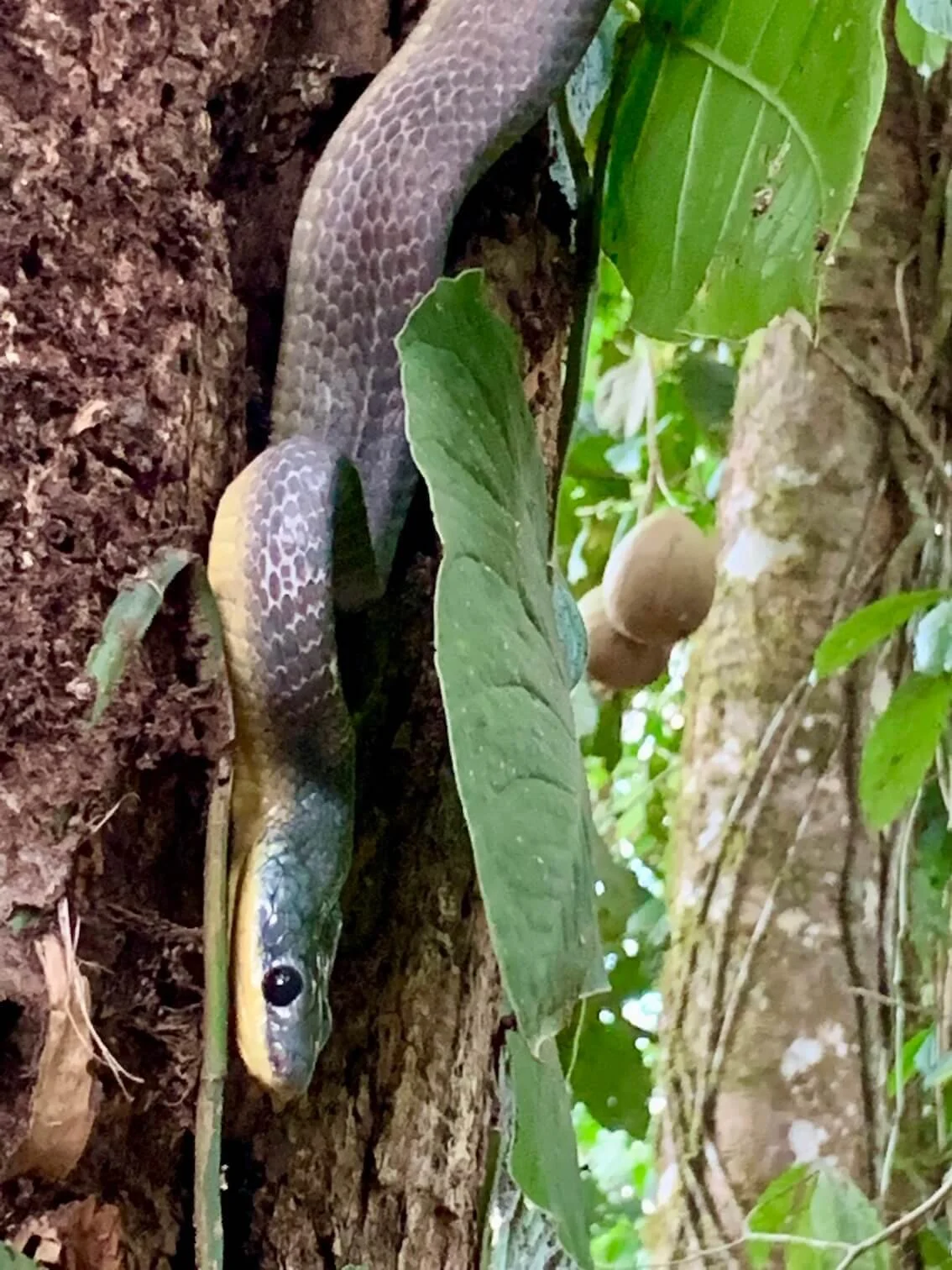
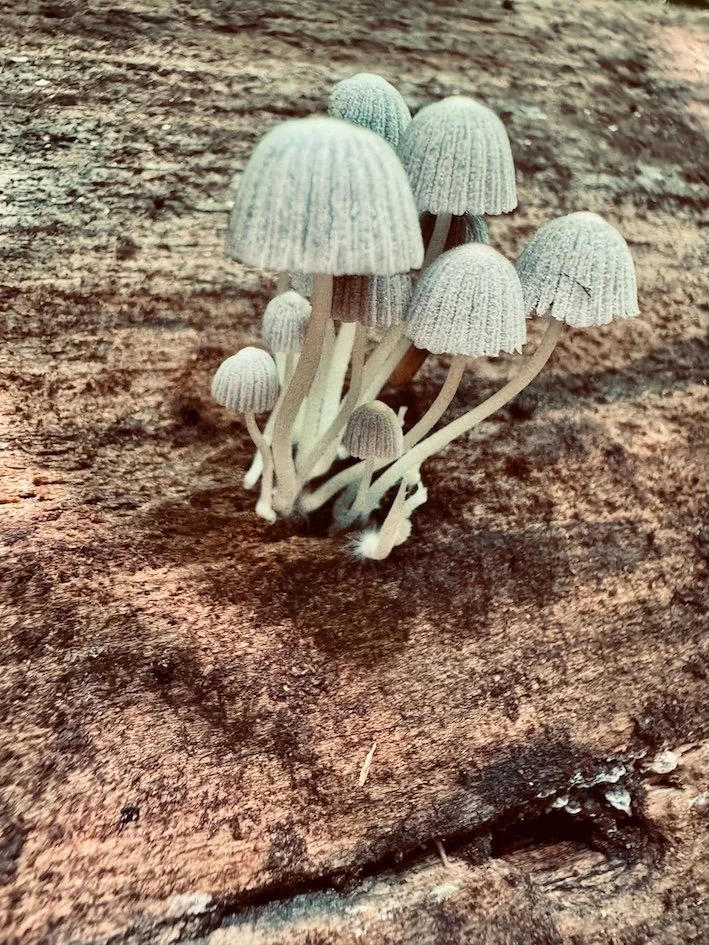
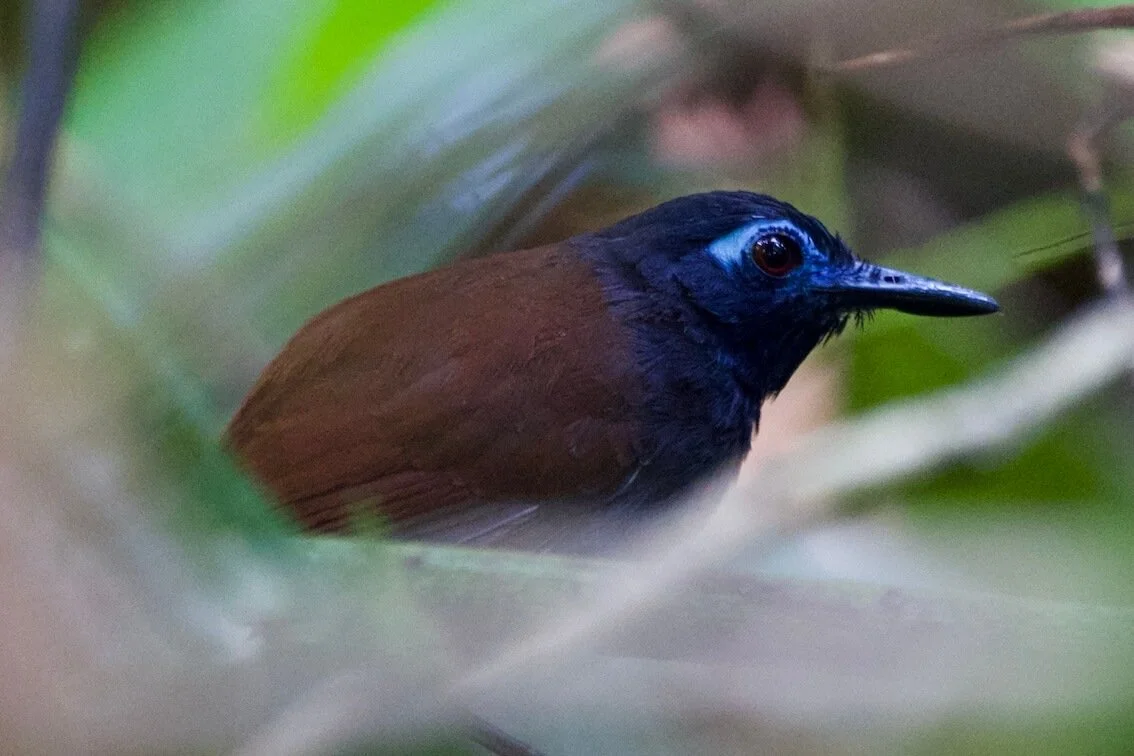
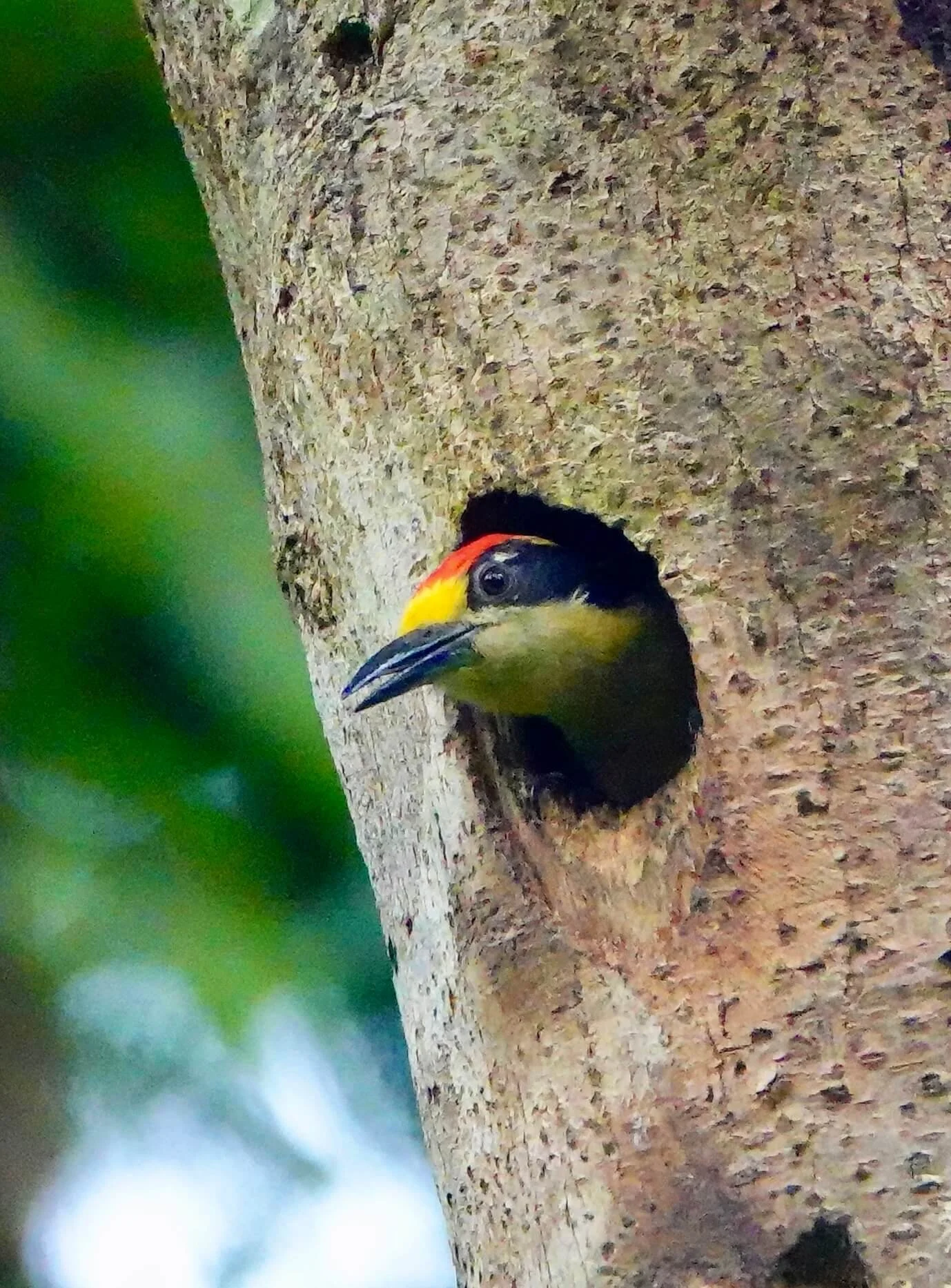
Along the trails, discover centuries-old trees, strangler figs, palms and vines, learn about the remarkable relationships between rainforest species, and look for signs of the animals that inhabit the forest — from leaf-cutter ants and peccary trails to monkeys, toucans and scarlet macaws. The trails offer the perfect setting for ‘forest bathing’, the Japanese practice of shinrin-yoku. Take your time, slow your pace and immerse yourself in the sights, sounds and atmosphere of the rainforest, allowing the forest itself to become the experience.
Four distinct self-guided trails have been mapped through the reserve, ranging from easy to medium difficulty. In your suite, you will find illustrated trail guides with detailed maps, together with information about the trees, wildlife and other points of interest you can discover along the way. Complimentary rubber boots, walking sticks and water bottles are also provided.
Giant Ceiba Rainforest Trail (0.5 km, easy)
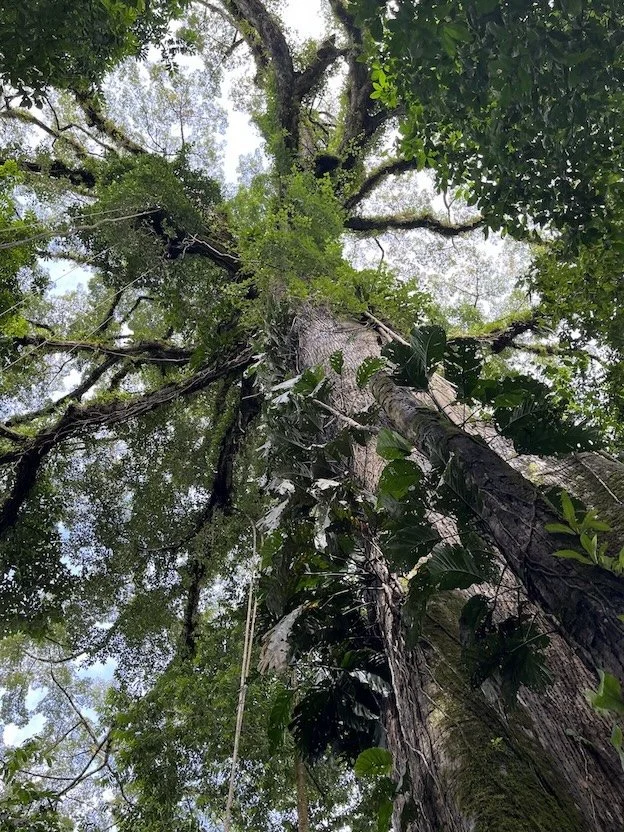
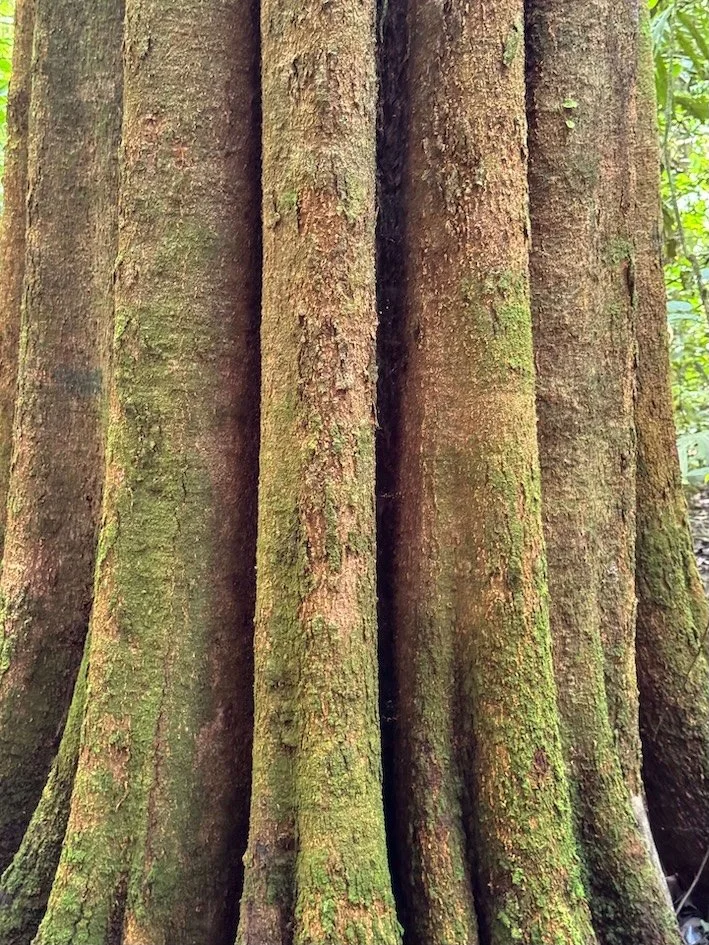
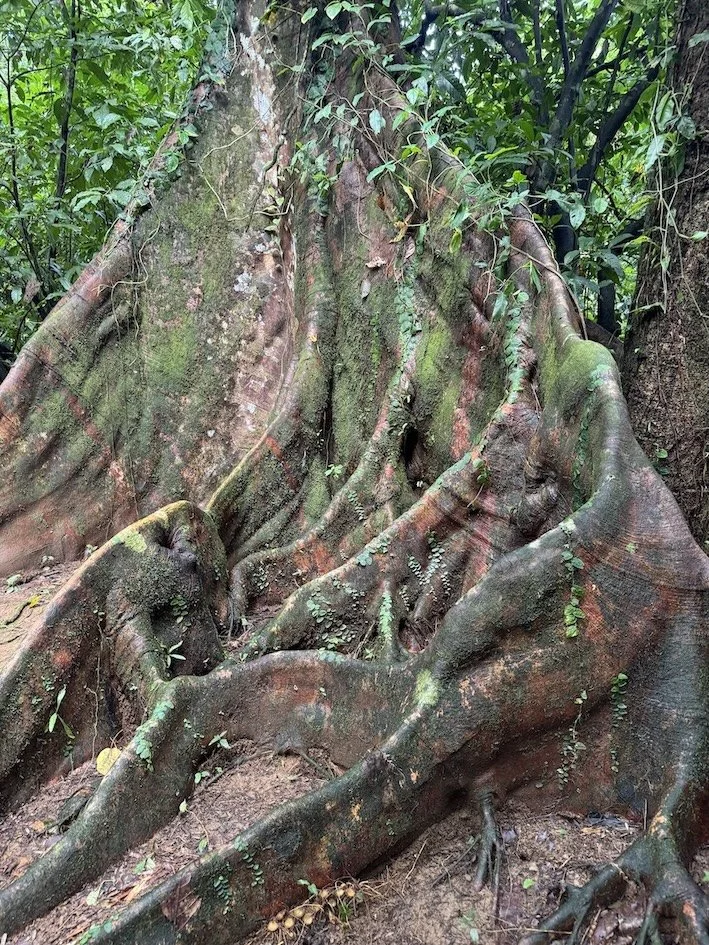
The Giant Ceiba Trail is a short and leisurely introduction to the rainforest, leading from the Retreat to one of its most remarkable inhabitants: our enormous, centuries-old Ceiba (Ceiba pentandra), which has probably stood here since pre-Columbian times. These extraordinary trees can survive for hundreds of years and held particular significance for the Maya, who believed that they connected the underworld, the terrestrial world and the skies.
The route to the Ceiba passes a number of notable trees identified in the illustrated trail guide, including a Spanish elm believed to be around 300 years old, fast-growing balsa, sura and hog plum. You will also pass a fallen Gallinazo, a species particularly favoured by scarlet macaws, which often nest in holes created when its branches break.
At just half a kilometre, this is our shortest rainforest trail and an easy way to discover some of the remarkable trees growing within the reserve while experiencing the sheer scale of the Giant Ceiba.
Fig Tree Rainforest Trail (0.5 km, easy )
The Fig Tree Trail is another short and gentle walk, but with a very different focus. Following paths around the Retreat and along the beachfront, it explores the fascinating world of tropical figs through a series of Chilamate and Matapalo trees.
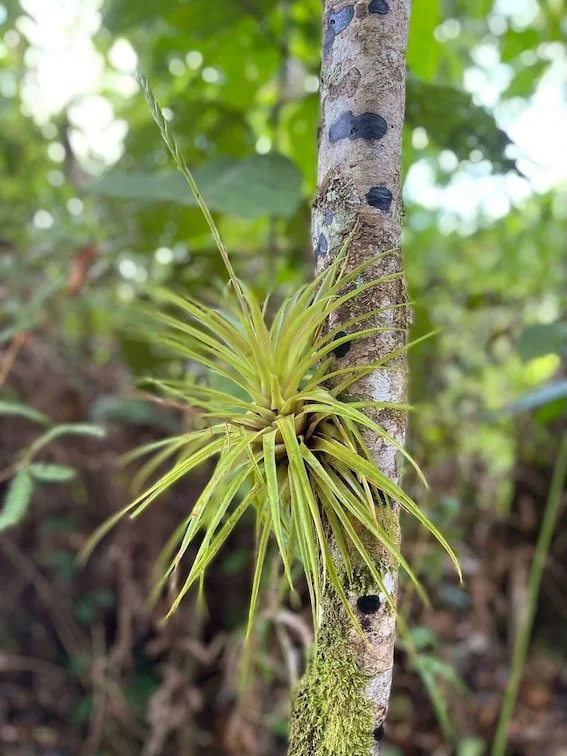
The trail reveals the extraordinary ways in which these trees grow. Chilamates can develop immense buttress and aerial roots, while Matapalos — or strangler figs — begin their lives as epiphytes growing on another tree. Their roots descend towards the ground and gradually become thicker and fuse together, eventually enveloping their host.
Five individual fig trees are highlighted along the route, each revealing something different about their biology. Their abundant fruit also makes these trees important to rainforest wildlife, attracting animals including howler monkeys, sloths, anteaters and iguanas.
The trail guide also introduces one of the most remarkable relationships in the rainforest: the unique pollination of fig trees. Each of the hundreds of fig species around the world relies on its own specialised fig wasp, with the insects completing their life cycle within the figs while pollinating the tree.
It is a short walk, but one that reveals just how complex the ecology of a single group of rainforest trees can be.
Naturaleza Rainforest Trail (2 km, easy)
The Naturaleza Trail continues beyond the Giant Ceiba and deeper into the reserve, following an easy route through an increasingly diverse variety of tropical trees. The illustrated trail guide identifies many of the most interesting species along the way and explains their remarkable adaptations, traditional uses and relationships with wildlife.
Among them is the Cow Tree, named for its drinkable milky-white sap, and the Guatil, whose fruit produces a blue-black juice traditionally used by indigenous people to paint their skin. The Gumbo Limbo is sometimes known as the “tourist tree” for its distinctive peeling reddish bark, while the route eventually reaches an impressive Chilamate fig with its enormous roots and spreading form.
The Naturaleza Trail transforms a leisurely walk through the rainforest into an exploration of the extraordinary diversity of trees growing within the reserve and the different ways they have adapted to life in this complex ecosystem.
Primary Rainforest Trail (3 km, medium)
The Primary Rainforest Trail is the longest and most adventurous of our self-guided walks. Beginning among secondary growth, it gradually takes you into primary rainforest, where towering trees, palms and hanging vines create an increasingly wild and immersive landscape.
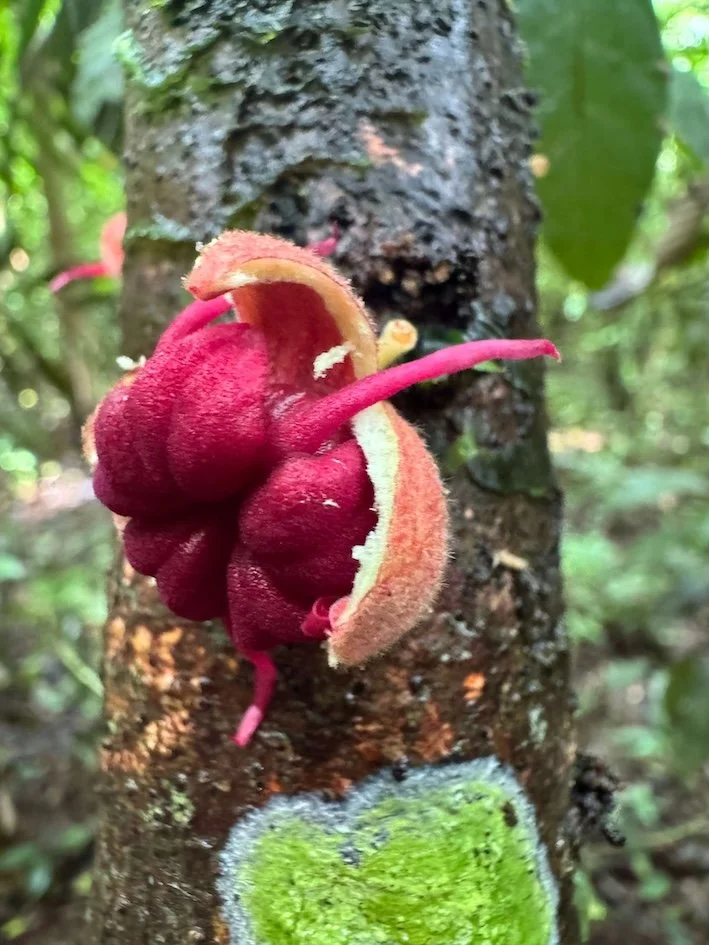
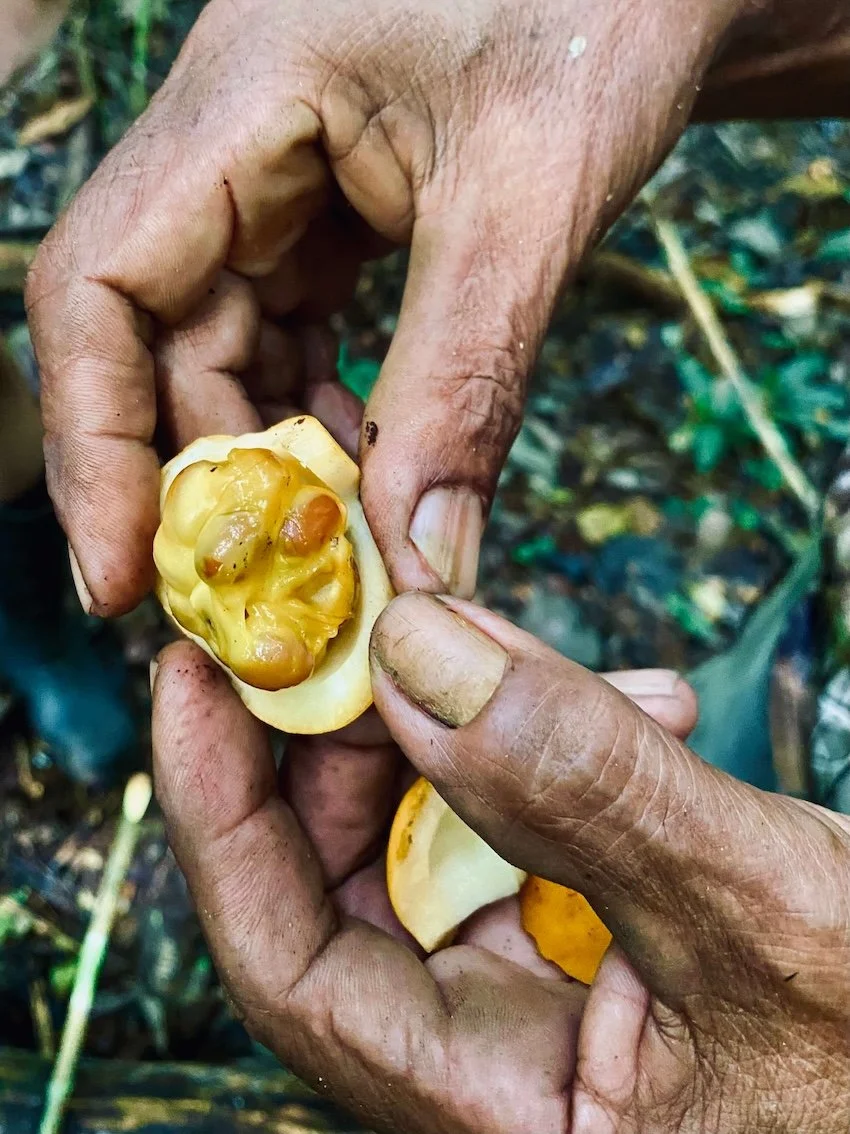
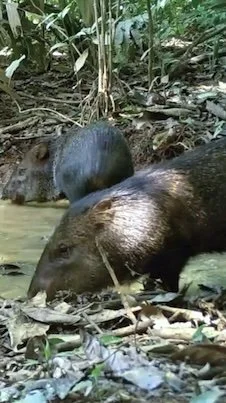
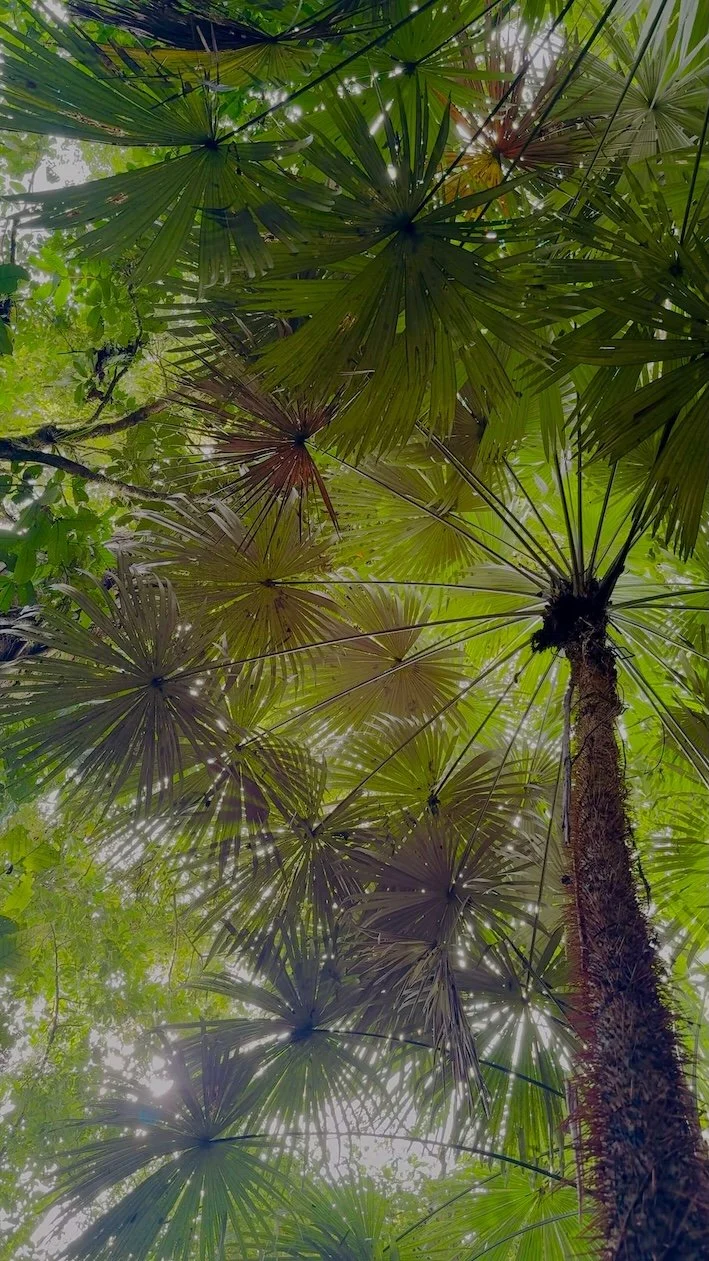
Along the route, the illustrated trail guide introduces some of the characteristic plants of the primary rainforest, from towering Guanandi and stilt palms to wild cacao and monkey ladder vines. Signs of wildlife are an important part of this trail. Collared peccaries have travelled one section so frequently that they have created their own path through the forest. Nearby is one of their favourite mud baths, which our camera traps have shown is also visited by pumas, armadillos, agoutis, grisons, spotted pacas and other rainforest inhabitants.
You will also encounter a large leaf-cutter ant nest. Millions of ants can inhabit a colony, following trails through the forest to collect vegetation that they carry underground — not to eat directly, but to cultivate the fungus that feeds the colony.
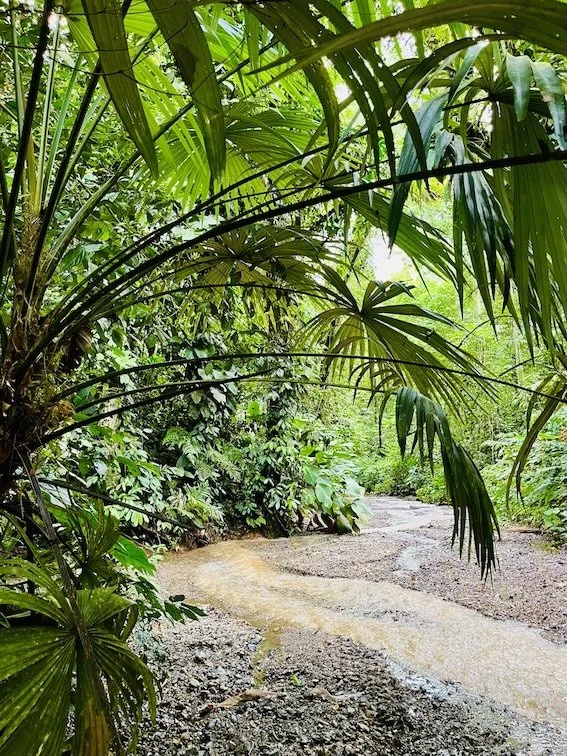
Towards the end of the walk, the trail descends to the Quebrada, a dry riverbed, following its winding, pebbled course through the forest. Eventually, the trees open onto the coast and the trail finishes at our beach, where you can cool down with a swim after your journey through the rainforest.